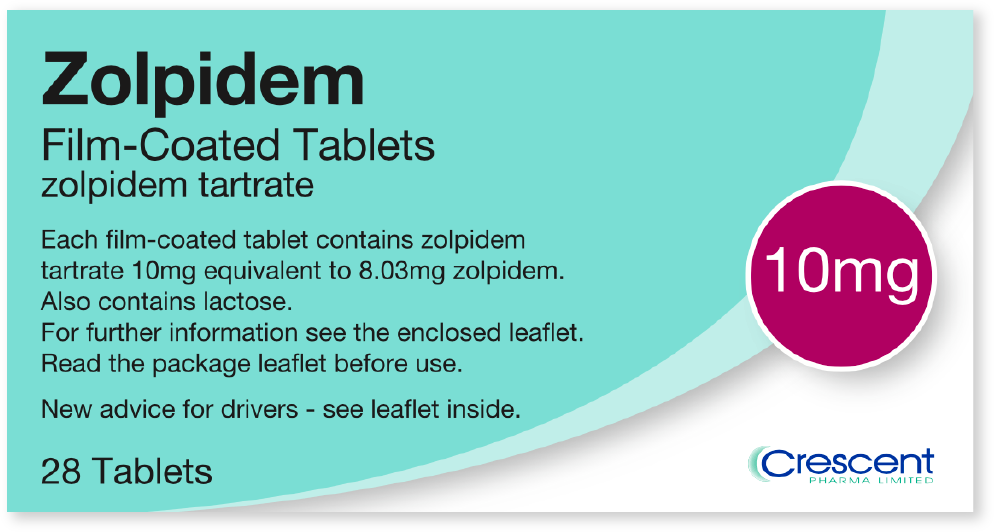
Zolpidem
£5.27 £0.83
Zolpidem has held a steady and reliable spot in the insomnia medication treatment for a long time, mainly because it is a non-benzodiazepine drug which allows for the treatment of that condition without the side effects associated with the use of benzodiazepines. Its mechanism of action is fairly known, however, the recent research findings gradually shifted its location to a more realistic area of practice. With the disclosure of more information especially on safety reports beyond the preclinical trials, more subtleties start to appear.
Those who research and write about hypnotic therapies today have a special set of considerations. On one side, they have to appreciate its efficacy for people with sleep issues. But at the same time, they have to be aware of emerging data about sleep complexities, metabolism among different groups, and the rising rate of people misusing these sleep aids. All these require delicate interpretations.
Understanding Zolpidem's Pharmacological Role
It acts on the GABA-A receptor complex but with selectivity that differentiates it from classic benzodiazepines. It shows a preferential binding on alpha-1 subunits, which are more related to sedation and not anxiolytic and muscle-relaxing effects, like benzodiazepines. This specific pharmacological activity made it initially known as a drug with cleaner pharmacology and fewer downstream issues. Nevertheless, this specific pharmacological profile still holds some differences, but there are more complications emerging with regard to its behavioural and metabolic side effects.
Because its onset and half-life are short, it may be useful for people with dawn breaking or sleep entry problems. Also, it does not have carryover effects into the next morning if properly dosed, though this feature varies widely with a patient's pharmacokinetics. Because it varies widely due to liver metabolism and even albumin concentrations, it puts less difference on these pharmacokinetic factors compared with previous thinking.
Recent Safety Signals and Clinical Data
Within the past decade, a number of safety signals have pulled zolpidem back into focus. Several reports involving falls and fractures, especially among the elderly, have become common enough to have an impact on prescribing. It isn't just a question of pharmacodynamics. Impaired balance, judgment, and half-life have all been factors.
A more visible finding that emerged with immediate relevance was that relating to the metabolic differences based on sex. It has been noticed that women have shown lower rates of clearance, thus indicating higher levels in the morning times with equal doses.
Complex sleep disorders, sleep walking, sleep driving, and phenomena that lie more within an ambiguous area of neuropsychiatric disorders have also made appearances. Even though they are infrequent, they can lead to serious complications and thus have a direct impact on the risk versus benefit ratio. Post-marketing studies are still reporting about events that would not have happened in the original approval trials, thus pointing to the need for proper and cautious use. Through this changing scenario, zolpidem continues to be one of the most frequently prescribed medications; however, doctors now have a more complete perception of the drug's advantages and drawbacks that vary among different patients. This context is very much the leading factor in current research and the subsequent discussions.
Emerging Patterns in Abuse, Misuse, and Withdrawal
Zolpidem was originally designed to be a sleeping agent with minimal abuse potential; however, the actual use has been more controversial. Most of the patients keep their intake within the recommended limits while a tiny fraction of them increase their consumption to very high levels. Some case studies report 1-gram doses mostly with the combination of chronic insomnia and psychiatric disorders, along with the use of other sedatives previously. In such a scenario the drug is no longer aiding sleep at night but rather administered several times during the day.
Clinicians have also encountered the cluster of reactions informally labelled the “Z-trip.” Patients experiencing this phenomenon report atypical responses, including:
- vivid sensory distortions or dreamlike perceptions
- periods of emotional disinhibition
- unexpected bursts of alertness rather than sedation
The reinforcing effects of these drugs can encourage repeated dosing, leading to a vicious circle that resembles more the misuse of a recreational drug than a therapeutic agent.
Understanding Dependency Mechanisms
Tolerance is not uniform in nature. Many are content to seek out the diminishing hypnotic response, while others like the bizarre psychoactive sensations. The pharmacokinetic variations, especially slower clearance in some populations, may augment these responses, although the relationship is not clearly delineated yet. The neuroadaptation at the GABA-A receptor level is, however, an open issue; clinicians believe that this may be a factor, but the actual evidence is largely inferred from benzodiazepine literature rather than from any specific studies dealing with zolpidem.
Dosing escalation is notably related with the following major points:
- chronic insomnia due to anxiety or mood disorders
- dosing divided throughout the night
- drinking alcohol or taking other depressants together
- doctor's supervision being inconsistent in the beginning of the treatment course
Withdrawal Complexity and Detoxification Approaches
The sudden stopping after high-dosage treatment is very often linked with a flooding-out syndrome that is acute and sometimes severe. Tremors, agitation, perceptual disturbances, rebound insomnia, autonomic instability, and seizures are some of the symptoms reported by patients. Nystagmus and temporary disorientation may occur within the first 48 hours and interfere with acute management.
Some clinicians have started using a substitution strategy with clonazepam and a slow taper to reduce the impact of withdrawal on the nervous system. The evidence for this is still at the observational stage, but the strategies are in line with the rules of benzodiazepine withdrawal. In reality, there are no universally accepted detoxification protocols; however, differences in the clinical presentation imply that strict protocols may not effectively meet the clinical reality.
Recent Clinical Trials and Evidence Synthesis
Comparisons with Behavioural Therapy
Drug treatment was one of the main supporters that made the use of behavioral approaches for insomnia less controversial. When drug (Zolpidem) was compared with structured behavioral therapy, mainly those programs that revolve around sleep restriction and stimulus control, the usual pattern was seen: drug takes the upper hand as far as quickest relief, while therapy takes longer but gains steadily and firmly.
In one research, the ones taking zolpidem changed the time to fall asleep quickly, while those participating in the behavioral program were able to maximize their progress even after the drug treatment phase was over. These comparisons are significant because they present the role of zolpidem not as a single solution but as a part of a greater management strategy. The difference becomes even more important in the case of patients suffering from chronic insomnia, as opposed to those having short-term disturbances.
What the Data Shows About Efficacy
Over the course of controlled studies, zolpidem has reliably been shown to decrease time to sleep onset and, in many cases, also loss time during sleep. The effect is most pronounced in people having trouble to fall asleep. Furthermore, the release form is meant to be an answer to sleep interruptions in the middle of the night but the issue of next-day impairment due to longer duration has already started. The effect sizes differ, but in general the medicine brings noticeable, brief good results when the person is given a structured dose.
Post-Marketing and Meta-Analytic Findings
Meta-analyses and large-scale reviews provide a comprehensive picture of the drug's safety, efficacy, and performance. In pooled data, somnambulism and other complex behaviors are reported rarely but regularly. Confusion, hallucinations, and transient amnesia, as neuropsychiatric reactions, are detected more frequently in geriatric patients, which leads to the concern of reduced clearance and polypharmacy issues.
A common point in the literature is the lack of randomised trials focusing on the elderly, though prescribing rates in this population are high. The inconsistency between the actual use of the drugs and the available proof is one of the factors that lead reviewers to insist on age-specific data in new submissions.
Research Hypotheses and Major Questions that Influence Present Studies
Addiction and Tolerance Mechanisms
Currently, various teams are re-evaluating interactions involving zolpidem and GABA-A receptor complexes with its chronic use. Therefore, the traditional understanding of its binding selectivity, which gives it a lower dependence potential, is being compared with recent clinical findings. Researchers' working hypothesis today might be that these interactions of the drug over time may lead to a very slight difference in the receptor's sensitivities, thus providing a possible tolerance mechanism resembling but not exactly like that of benzodiazepines.
Gender, Metabolism, and Abuse Risk
Despite metabolic differences between males and females, new questions arise. The difference in clearance rates confirms studies on the relationship between plasma concentrations and morning-after impairment, side effects, and, in some instances, abuse. There are investigations about the effects of low but constant concentrations on tolerance and pharmacological effects. Variations in binding affinity for albumin are also being considered because they could explain different levels of sensitivity at standard doses.
Novel Hypotheses: Paradoxical Awakening Effects
One of the unexpected research directions is concerned with the patients who suffer from consciousness disorders and experience temporary improvements after taking zolpidem, paradoxically. This rareness have been extremely noticeable and thus even led to neuroimaging studies to monitor changes in cortical activity. The scientists are trying to find out whether the medication is doing so by inhibiting the excitatory pathways and thus awakening the dormant networks. It is still not clear whether the drug can be clinically applied or not, but the phenomenon has opened up new ways for researchers to be interested in the drug's mechanisms from a scientific perspective.
Detoxification-Focused Research Priorities
As the number of misuse reports is increasing, researchers are finding structured ways to examine detoxification methods. Clonazepam substitution has been quite frequently appearing in case reports and thus a formal study seems justified. Some of the key questions are: what are the optimal conversion ratios, taper timelines, and markers that can be identified to predict complex withdrawal? Developing such methodologies can be a help to the doctors treating patients with severe cases, although there are still no controlled trials.
Data Collection Approaches Used in Zolpidem Research
Quantitative Methods
A large part of the current knowledge about the safety profile of zolpidem is based on quantitative analyses that explore the patterns across large groups of patients. The researchers utilize statistical tools to comprehend the dose escalation, frequency of adverse-event occurrence, and the impact of demographics. To achieve this, they commonly use the following approaches:
- Pearson's chi-square is used for the purpose of identifying associations between the characteristics of patients and their experiencing the specific adverse events
- Student's t-tests are employed for comparing the mean differences, such as sleep-onset latency before and after treatment
- Regression models are applied to control for the confounding factors such as age, concurrent medications, or comorbid conditions
These tools allow investigators to move beyond anecdotal impressions and uncover relationships that may not be obvious in clinical practice.
Case-Based Methodology
The unusual reactions to zolpidem happen infrequently, and as a result, the case reports and small case series are still considered to be of high value. They constitute the mapping of early signals of the extreme misuse, complex behaviours, or paradoxical reactions before large datasets are available. Well-done case documentation frequently includes:
- establish a timeline of symptom appearance
- patient's history and the type of treatment applied
- medications taken at the same time and medical history that is relevant
- neurological or behavioural observations
All these details can transform into recognition of the patterns that will support the planning of the future trials or the reviews by the regulators.
Gold-Standard Study Designs
In the case of prospective, placebo-controlled crossover studies, they are still the main research designs used when looking at the immediate effects of drugs. The reason is that those designs eliminate the inter-individual variability by making it possible for each participant to function as their own control. Their great precision is the strength of such studies, but the short duration and the closely controlled settings are also points that limit them, as they may not correctly represent the actual use in the community.
Systematic Literature Review Techniques
Systematic reviews not only help to consolidate findings from scattered journals over the past decades, but also the researchers often carry out manual searches in their efforts, especially to catch older studies or regional publications that are not indexed in the major databases. The screening criteria often take into account study design, population structure, and the clarity of outcome measures. This procedure sets up a more reliable foundation for the evaluation of the ever-changing risk–benefit profile of zolpidem.
Common Reviewer Critiques
The peer review reasons for rejecting manuscripts have some common features that repeatedly occur. The most frequent among them are:
- insufficient representation of older adults, who are the ones who most frequently use the drug
- overreliance on self-reported symptoms, especially when it is possible to use objective measures of sleep
- lack of statistical depth including failure to account for confounding variables or inappropriate testing strategies
- unclear dosing details particularly regarding formulation, timing, and co-administration
These issues often undermine studies that might otherwise contribute meaningfully to the literature.
Efficacy vs Safety: What the Latest Data Really Shows
Therapeutic Benefits in Clinical Context
Zolpidem is still an effective medication for treating sleep onset difficulties in the short term and has been shown in most controlled studies to significantly reduce sleep onset latency. However, some patients have connected it to the total sleep duration increase, but this varies with the initial sleep disturbance degree. Doctors often prescribe the immediate-release forms for patients with sleep-onset issues and the extended-release tablets for people who tend to wake up at night. Nevertheless, this categorization should be made with caution since even a slight change in the rate of metabolism can have an impact on the drug's action duration.
Patient-reported outcomes still play a crucial role as a measure of efficacy. Zolpidem was found to provide not only an increase in objective sleep measures but also in subjective sleep satisfaction within the first treatment period in the trials where both sleep variables were measured side-by-side.
Safety Profile: A Closer Look
The safety profile has undergone changes. The occurrence of complex parasomnias, which include mild wandering and performing actions with no recollection afterward, has been pretty rare but still clinically relevant so it continues to be of concern. The presence of boxed warnings in certain regions is an indication of this issue being taken seriously. Neuropsychiatric disorders are seen in a small segment of drug abusers. Symptoms like confusion, disorientation, temporary hallucinations, and amnesia are usually associated with overdosing and concurrent use with other CNS suppressants.
Special Populations
But elderly patients come with additional risks, such as falling and having difficulties to keep their body in proper alignment, since the drug is eliminated from the body very slowly. Women have a slower elimination rate than men and, therefore, there are higher levels at the time of waking up. Patients having liver disease, respiratory disease or untreated sleep apnea must be under constant observation as their conditions can aggravate the problem of sleeping difficulties.
Scientific Writing, Expert Insight, and Publication Strategy
Zolpidem, being a highly debated drug, compellingly requires the optimum level of writing organization and clarity to be of great benefit in the dissemination of research. The effective research should then describe its research methodology with precision and indicate particular formulas and plans. Sometimes, it is the researcher's responsibility to very precisely differentiate between the immediate and extended-release research. Consistent terminology and a clear definition of inclusion/exclusion criteria are thus imperative. The research should give a very accurate account of side effects. Another way to make the research more trustworthy is to cite the original research papers.
Frequently Asked Questions
What are the sleep architecture elements improved by zolpidem?
Most of the available evidence points towards a decrease in sleep latency, along with an increase in sleep time in some patients. Deeper stages of sleep may be affected in varying ways.
How important are interactions with zolpidem?
Drug interactions that may potentiate a slowing of liver metabolism or have additional centrally acting depressive properties such as opioids, certain antidepressants, or alcohol may increase sedation or even the next-day risks of complex behaviours.
Will long term use result in tolerance?
It is not a universal trait, though, and occurs mostly within people who tend to provide treatment beyond that recommended period and/or tend to readjust their own dosage for increasing perceived ineffectiveness.
Which groups are most vulnerable to adverse outcomes?
The elderly, women, and patients with hepatic insufficiency exhibit increased plasma concentrations and decreased elimination, increasing the risk of falls, confusion, and excessive sedation.
How does zolpidem compare with other hypnotics?
It has the advantage that it acts quickly, but the lack of a broad binding profile puts the patient at risk. Some patients can later respond positively to non-GABAergic medications or behavior modification.
To what extent are current guidelines on dosing supported by evidence?
Yes, especially for the lower doses suggested for women that take into account known pharmacokinetic differences between the genders.
Which symptoms of withdrawal are most alarming?
Severe rebound insomnia, agitation, abnormalities in sensation, or seizures can occur when it is stopped abruptly, particularly at high doses.
What patterns of misuse have researchers identified?
Increasing doses, irregular doses throughout the day, and doses taken for perceptual or mood-changing effects are three of the most common patterns on record related