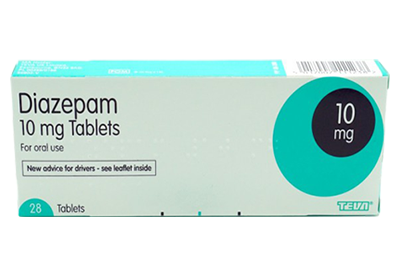
Diazepam
£5.27 £0.81
The drug Diazepam continues to assert itself as the leading benzodiazepine among those given in hospitals and clinics, and this is so even after sixty years of its pharmaceutical life. Its continual importance is due to the wide variety of conditions that it is able to treat. It gives quick relief to anxiety patients, it helps control seizures during medical emergencies, it relaxes muscles, and it is also used to prepare patients for surgeries. Very few medicines can claim to have such a vast and diverse range of applications for decades.
Not only has science remained interested, but also the studies researching the safety, efficacy, and mechanisms of action of the drug are still numerous. Between 2012 and 2021, researchers alone published around four thousand studies involving the drug in some way. All that effort has been responsible for creating a clearer understanding of the interaction of diazepam with the brain's inhibitory GABA system, especially at the GABA-A receptors. There have been breakthroughs like the high-resolution electron cryo-microscopy that had once prevented the view of the drug's binding activities, but now shows the details obtained during those earlier studies.
The new chemical formulations are modifying the manner of usage of Diazepam by the physicians. The nasal and buccal delivery systems provide fast options for seizure rescue when intravenous access is not present. In addition, researchers are also refining the dosing models considering the specific populations, like obese children and older adults, who have a slow metabolism of the drug.
Pharmacological Mechanisms of Diazepam
Chemical Structure and Properties
Diazepam belongs to the group of 1,4-benzodiazepines. The chemical structure of Diazepam consists of a seven-membered ring of Diazepam combined with a benzene ring, thus creating a functional group through which the drug can communicate effectively with the central nervous system. The chlorine atom located at carbon-7 is responsible for the increased potency of Diazepam over its related drugs that do not have this atom. Diazepam also has at the 5 position a phenyl group, at 2 a carbonyl group, and at 1 a methyl group, which are the elements that affect the binding affinity of the drug to the respective receptors.
The liver extensively metabolizes diazepam, first by oxidation and then by conjugation (glucuronidation). The metabolic rate of diazepam can be significantly influenced by variations in liver functionality, age, and genetics.
Action on GABA-A Receptors
One of the ways by which the pharmaceutical agent Diazepam exhibits its anxiolytic properties is by interacting with GABA-A receptors, which are the major inhibitory neurotransmitter receptors in the brain. Diazepam joins the receptor complex at a specific site between the alpha (α) and gamma (γ) subunits of the receptor. It is significant to note that the drug does not open the channel by itself. However, it prolongs the opening of the chloride channel when GABA is already there, thus amplifying the natural inhibitory signal.
The variety of the GABA-A receptor subtypes accounts for the different stages of diazepam’s clinical effects:
- α1 receptors are responsible for sedation and anticonvulsant activity
- α2 receptors are mainly involved in anxiety relief
- α3 and α5 receptors are responsible for muscle relaxation and some cognitive side effects
By increasing the flow of chloride ions into the neurons, diazepam produces hyperpolarization, which in turn results in a decrease in the excitability of the cells. This action constitutes the core of the anxiolytic, anticonvulsant, and muscle-relaxing activities of the drug.
Comparison with Other Benzodiazepines
Diazepam displays a wider receptor binding profile than many of the newer benzodiazepines that sometimes focus on the more specific subtypes for the purpose of reducing sedation.
Diazepam is differentiated from its competitors by several pharmacokinetic properties:
- half-life longer than lorazepam and midazolam
- faster brain penetration than oxazepam or temazepam
- active metabolites
These differences among the pharmacokinetic properties affect the clinical use of benzodiazepines. The long-lasting effects of diazepam may assist in controlling the further occurrence of seizures, even though it may take longer than midazolam. Besides, it has stronger muscle relaxation than the other medications that are normally the first choice, such as alprazolam or clonazepam, allowing it to treat muscle spasm.
The variances across the benzodiazepine class are a great help, making it easier for physicians to choose the right drug according to the required onset, duration, and the particular symptoms that are being treated.
Therapeutic Indications and Clinical Applications
Anxiety Disorders Treatment
While diazepam is still valuable for the relief of anxiety in general and acute anxiety in particular, it remains an important option to consider. The drug’s rapid onset of action makes it ideal for the treatment of panic episodes, heightened stress reactions, and short-term management of symptoms of generalized anxiety. Clinical evidence has consistently shown that the intensity of anxiety is significantly reduced within 30-60 minutes after an oral dose.
Tolerance and dependence may develop over time; it is rarely recommended in the long term as a primary treatment. The other way around, it is usually prescribed as a temporary measure until the effect of slower-acting therapies, such as cognitive techniques or antidepressant medications, is noticed. In perioperative settings, diazepam helps reduce anxiety and improve patient comfort before procedures.
Epilepsy and Seizure Management
One of the main medical benefits of diazepam is the control of seizures. It has been used primarily to treat convulsive status epilepticus for decades and is still well-supported by evidence-based practice in both adults and children.
The principal clinical applications are:
First-line rescue treatment for prolonged seizures
- adjunct therapy in refractory epilepsy
- treatment of febrile seizures in children
Intravenous administration provides rapid anticonvulsant action in emergencies. When it is difficult to obtain IV access, especially in children or in community settings, rectal gel and intranasal formulations give important alternatives that can be administered outside the hospital.
The drug increases inhibitory GABAergic signaling, thereby interrupting the chain of abnormal neuron firing that excites seizure activity.
Additional Clinical Functions
Diazepam has a pharmacological indication for a lot of conditions:
- Muscle spasm is effective for spasticity associated with spinal cord injury or neural disorders
- Alcohol withdrawal reduces agitation, tremors, and risk of seizure during detoxification
- Surgery sedation: pre-procedure administration promotes relaxation and amnesia
In all situations, the dose has to be modified so as to avoid the combined sedation and excessive motor impairment.
Administration, Dosage Schedules, and Drug Interactions
Routes of Administration
There are various dosage administration that involves multiple routes depending on the situation, which are outlined as follows:
- Oral tablets & liquid - most common method of administration for anxiety, muscle spasms, and maintenance therapy for seizure disorders.
- IV, suggesting cases of emergencies such as status epilepticus or procedural sedation, and very careful monitoring because of respiratory effects.
- Intranasal spray- used in the acute treatment of seizures in situations when IV Access is not possible.
- Rectal gel- used in pediatrics and home treatment of prolonged seizures.
- IM is less reliable in absorption, usually used when nothing else is available.
The different formulations give flexibility in community care, hospital settings, and outpatient treatment for the patients.
Dosage Guidelines
The World Health Organization designates 10 mg as the standard dose that is to be used by all countries for comparison purposes; however, the actual clinical dosing depends on the age of the patient and the nature of his/her condition and response.
Typical Therapeutic Ranges:
- Anxiety disorders: 2-10 mg, given two to four times daily.
- Muscle spasms: 2 to 15 mg/day in divided doses.
- Acute seizures: 5-20 mg IV/PR according to severity and age of the patient.
Seniors have low metabolism rates. Hence, they may be susceptible to sedation and falling. They also require low initiating doses of 1-2.5 mg twice daily that can be gradually increased. Liver conditions also require dose adjustment because diazepam is mostly processed by the liver. The accumulation of the drug can lead to toxicity.
Drug Interactions
Diazepam has interactions with various CNS depressants and also with drugs that are eliminated by the same hepatic enzymes.
Major interaction groups:
- SSRIs like fluoxetine, sertraline, and fluvoxamine might slow down metabolism, hence increasing blood levels of diazepam.
- Tricyclic antidepressants (amitriptyline) increase the sedative effect.
- Z-drugs such as zolpidem and zopiclone lead to combined sedation and impair coordination.
- Opioids have increased respiratory depression and risk of overdose when used concomitantly.
All these interactions imply that patients need to have regular follow-ups and, in many situations, have their dose reduced. Generally, clinicians frequently reassess treatment to not only prevent cumulative side effects and dependence but also to maintain therapeutic effectiveness.
Safety Profile, Side Effects, and Dependence
Diazepam’s therapeutic activity stems from its modulation of brain inhibitory signaling, and the same mechanisms that cause side effects. The most common side effect is sedation, which may lead to reduced alertness and impaired motor coordination. Dizziness and slowed reaction time make driving or operating machinery risky, especially after dose increases.
The most frequently reported side effects are:
- Drowsiness and lethargy
- Weakness of the muscles and loss of coordination
- Confusion or slower thinking processes
- Vision impairment
- Gastrointestinal upset in certain persons
As a result, such effects will be more commonly exhibited by older patients due to their lower drug clearance rate. Therefore, their vulnerability to falls, fractures, and inability to carry out daily tasks will be heightened.
The side effects are frequently associated with the dose. Patients who start with lower doses and gradually increase the dosage typically do not experience excessive sedation or confusion.
Dependence and Withdrawal
Continuous use of diazepam over a period of several weeks or more may lead to the development of physical dependence. The GABA activity in the brain undergoes a compensatory increase, and if the medication is stopped suddenly, the person will experience withdrawal symptoms.
Symptoms of withdrawal may include:
- Increased anxiety and restlessness
- Insomnia and nightmares
- Tremors and muscle cramps
- Sweating and irritability
- In extreme cases, seizures or delirium
Gradual tapering is the recommended method as opposed to abrupt stoppage to avoid complications.
Long-term Use Implications
Regulatory authorities highlight the risks connected with benzo dependence, misuse, cognitive impairment, and more over time. Thus, nowadays, healthcare providers are more protective by limiting such prescriptions to a few monthly intervals combined with shorter treatment durations plus clearly marked exit strategies.
Confounding by Indication in Studies
Interpreting adverse drug reactions for diazepam, like in other cases, is not straightforward. People who get benzodiazepines often have health conditions, where the most common are anxiety disorders, depression, chronic pain, or sleep disturbance. Thus, these comorbid baseline risks may be attributed to the drug side effects.
Researchers resort to using increasingly advanced methods, such as matched cohort analysis, in order to clarify the drug's impact versus the pre-existing medical condition. Depending on their interpretation, some may say that with separation being so imperfect, still, the findings should always be interpreted in the light of the context.
Latest Research Insights
The scientific and clinical understanding of diazepam is still being worked on. Meta-analyses over the last few years have investigated long-term use, especially in older adults. They note that rates of memory impairment are higher and executive function is lower in chronic users than in the general population. However, the variability of results is notable, but the recurrent message is a warning regarding long-term application.
The data from actual prescriptions is to the matter an altogether different angle. A study of large medical records, including nationwide insurance and biobank cohorts, shows that a patient group substantially larger than initially supposed is taking diazepam on a long-term basis. The proportion of prescriptions is greater for females than for males, and older adults emerge as the most significant long-term users. Such patterns suggest that there is a disparity between the proposed clinical practice and the everyday prescribing activities.
Observational studies have also looked into the connection between diazepam use and heart problems. Certain studies have found high blood pressure and difficult-to-treat hypertension to be more common among those who have used the drug for a long time. Changes in glucose metabolism that might occur early have also been reported, but these results are still being scrutinized.
The brain studies continue to search for possible links to dementia. The study that followed up for a long time to see if there was any correlation between the use of benzodiazepines and the occurrence of dementia in the elderly proved that the risk of neurodegenerative disease is increasing. But anxiety and sleep disorders are themselves associated with cognitive decline, and this might lead to a very complex interpretation of the data.
Future Directions and Emerging Therapies
Different research routes target the advancement of delivery and improvement in the safety spectrum of the use of diazepam in chronic treatment. The biggest lion's share of development is found in non-intravenous seizure rescue therapies. Intranasal formulations are made to be quickly absorbed without any need for medical equipment, and therefore, they are most suited for community or pediatric settings. Other possible formulations under research include films that stick to the inside of the cheek, providing accurate dosing and a quick onset while avoiding any first-pass metabolism.
Newer technologies include those for the sustained release of drugs. Depo forms in microspheres are now being devised, which are expected to emit diazepam slowly in one to two days. It is expected that it will help in maintaining steady blood levels, avoiding the sedation-causing peaks, and perhaps even lessening the withdrawal-associated dependence.
The research is carried out with transdermal delivery methods on older people’s specific requirements. Patches might be very useful in terms of providing consistent absorption, hassle-free dosing, and less digestive exposure, which are all pluses in the case of a population that is heavy on medication and has slow metabolism.
In addition to new diazepam formulations, efforts to find new GABA-modulating compounds continue. The drugs that are under development have the aim of being more selective with the receptor subtypes so as to retain the anxiolytic or anticonvulsant effect while at the same time minimizing sedation and withdrawal problems. The ongoing comparative trials with diazepam and gabapentinoids, certain antidepressants, and novel sleep agents, one testing against the other, will also help reveal which of them might be safer in the long run.
The above steps represent progress and the continuation of diazepam's evolution as a modern medical agent. The advancement in drug delivery and the more refined therapy have not only supported but also alleviated the longstanding concern of chronic use.
Conclusion
The wide therapeutic effects and rapid onset of action of the delivery modes have paved the way for diazepam to remain one of the leading central benzodiazepines in the clinic. GABA-A receptor actions were among the contributors that made the drug beneficial to anxiety disorders, seizure emergencies, muscle spasticity, and sleep disturbance due to tension, and during surgery. The new formulations, especially intranasal and non-intravenous routes of administration, allow its use outside the hospital and make the rescue treatment more feasible.
Frequently Asked Questions
1. How are diazepam’s therapeutic uses evolving in clinical practice?
Its primary usage is still in the management of short-term relief of anxious symptoms, seizures, and muscle spasms. Its usage is currently indicated in the management of acute seizures and as a stabilizer until other drugs start to act.
2. What do recent studies show about long-term risks and safety?
Findings relate long-term use to dependence, withdrawal symptoms, falling incidents, and even mental acuity in some cases. These risks grow in relation to the quantity of dosage, the patient’s age, and whether other sleep medications are being concurrently taken by the patient.
3. What new findings help explain how diazepam works at the molecular level?
The use of electron cryo-microscopy has allowed researchers to visualize the diazepam binding site at the GABA-A receptors at a much higher resolution. This research explains how it helps the pharmaceutical industry in designing future drugs.
4. What alternatives are being explored for anxiety management?
The SSRIs, SNRIs, pregabalin, and non-benzodiazepine anxiolytics continue to be the first choice in cases where the treatment might need to continue for an extended period.
5. How does diazepam compare to newer seizure rescue options?
Diazepam gives a strong anticonvulsant effect and has a long action duration. Midazolam may take a little less time to act in certain emergency cases, but the intranasal and rectal forms of diazepam keep their role when IV access is not possible.
6. What do recent data reveal about cardiovascular and metabolic concerns?
Chronic users of benzodiazepines may have their blood pressure levels slightly higher and less response from antihypertensive medications, as suggested by studies on populations. Changes in glucose metabolism are being investigated but not yet fully understood.
7. How do special populations handle diazepam differently?
The drug might have a slow metabolism in older adults and consequently be more sedative and riskier for falls. Children may have a varying level of absorption depending on the formulation they are given.
8. What should clinicians focus on when tapering or discontinuing diazepam?
A gradually reduced dose is the most effective regimen in avoiding severe symptoms of withdrawal or rebound. It is important to monitor for recurrence of seizures or anxiety. Symptom-support plans can be used to help discontinue benzodiazepines.